
BEA Celebrates Official Opening of New Horticulture Area
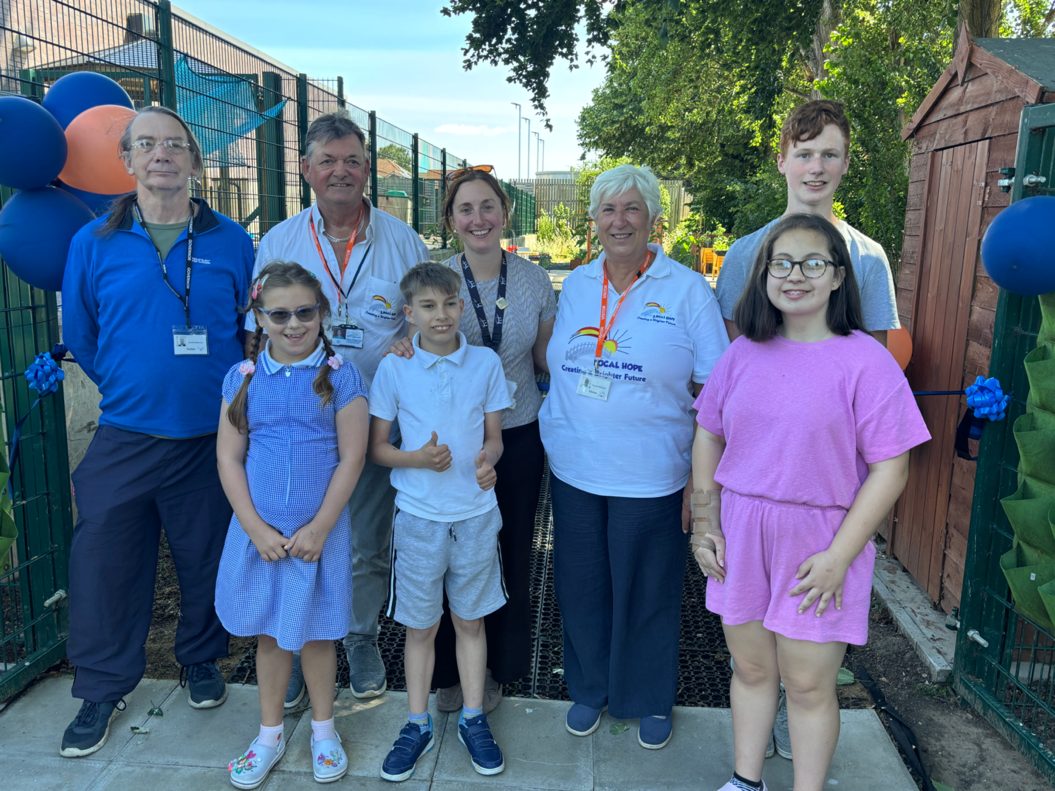
Pupils, staff, supporters and community partners came together to celebrate the official opening of BEA’s new horticulture area – a vibrant and accessible outdoor space that is already helping to boost biodiversity while providing exciting learning opportunities for students.
The project has been made possible thanks to funding of £10,000 from the National Education Nature Park Grant, a generous £3,250 contribution from the Local Hope Community Group, and success in the Tesco Blue Tokens Scheme at £1,000. Together, this support has transformed the area into a thriving environment where nature and education can flourish side by side.
The new space features a variety of biodiversity improvements, including new planting designed to create habitats for wildlife, a flourishing wild garden, bug hotels, composting facilities, and a range of new tools and equipment. Importantly, pupils have been involved throughout the development process, helping to design elements of the garden and shape how the space will be used.
Speaking at the opening, Polly Baker, Regional Officer for the National Education Nature Park, praised the project for successfully balancing the needs of people and wildlife.
“This space is a good example of balancing planting for humans, such as fruit and vegetables, while also leaving space for nature. By allowing grasses to grow long and wildflowers to flourish, the garden is creating valuable habitats for wildlife.
“There are some lovely thistles growing now, as well as ragwort, which is the only plant that the Cinnabar Moth will lay its eggs on and feed from. These become striking striped caterpillars before transforming into beautiful moths that fly during the day, giving pupils a wonderful opportunity to observe nature up close.
“It’s also lovely to see finches visiting the area. Most importantly, this is an accessible space that can be enjoyed by all students.”
Representatives from the Local Hope Community Group were equally enthusiastic about the impact the project will have on young people.
Yvonne Woolven said:
“This is a fantastic area that children are going to enjoy for years to come. They can watch plants grow, learn about nature, and spend time outdoors.
“What makes it especially wonderful is that the children helped to design it themselves. From the bug hotels to the composting areas, it has everything a garden needs. The pupils have been so enthusiastic throughout the project and that enthusiasm really shines through in the finished space.”
The horticulture area will now provide a valuable resource for outdoor learning, wellbeing activities and environmental education, while also supporting local wildlife. By combining food-growing areas with spaces left intentionally wild, BEA has created a living classroom where students can develop practical skills, deepen their connection with nature and see first-hand the benefits of biodiversity. As the ribbon was officially cut, there was a sense of pride among everyone involved. The new horticulture area stands as a testament to what can be achieved when schools, community groups and environmental organisations work together – creating a greener future for both young people and local wildlife.
You can watch a video of the opening on this link.